
Hard Surface – Floors – Salt It’s a Problem
The past week have seen snow and ice disappear from the cold snap that gripped the Lower  Mainland following Christmas. But not everything has disappeared; salt residue remains on a number of hard surface floors and common hallway carpet. Although, it is somewhat ironic given the lengths residents went to obtain the stuff several weeks ago, now the residue can be extremely difficult to remove by normal cleaning solutions. Mopping with soap or other sanitizers are basically useless on hard surface floors, and may only serve to spread the discolouration around. Carpets face a different issue. There the salt, as well as mud and sand get into the carpet matrix, which requires significantly more work to remove.
The essential problem is that the residue has a very high Ph. that needs to be neutralized before it can be removed. Basic chemistry suggest you can use an acidic solution, but this presents a number of potential challenges that make it a less than desirable approach. We have several products that can neutralize the residue that can then be mopped up. For carpets this requires more subtle changes to the carpet cleaning approach. Our staff are trained to recognize the proper solution and approach to dealing residue, and can make quick work of the problem. So if you want to remove the last reminder of the cold winter weather, give us a call.
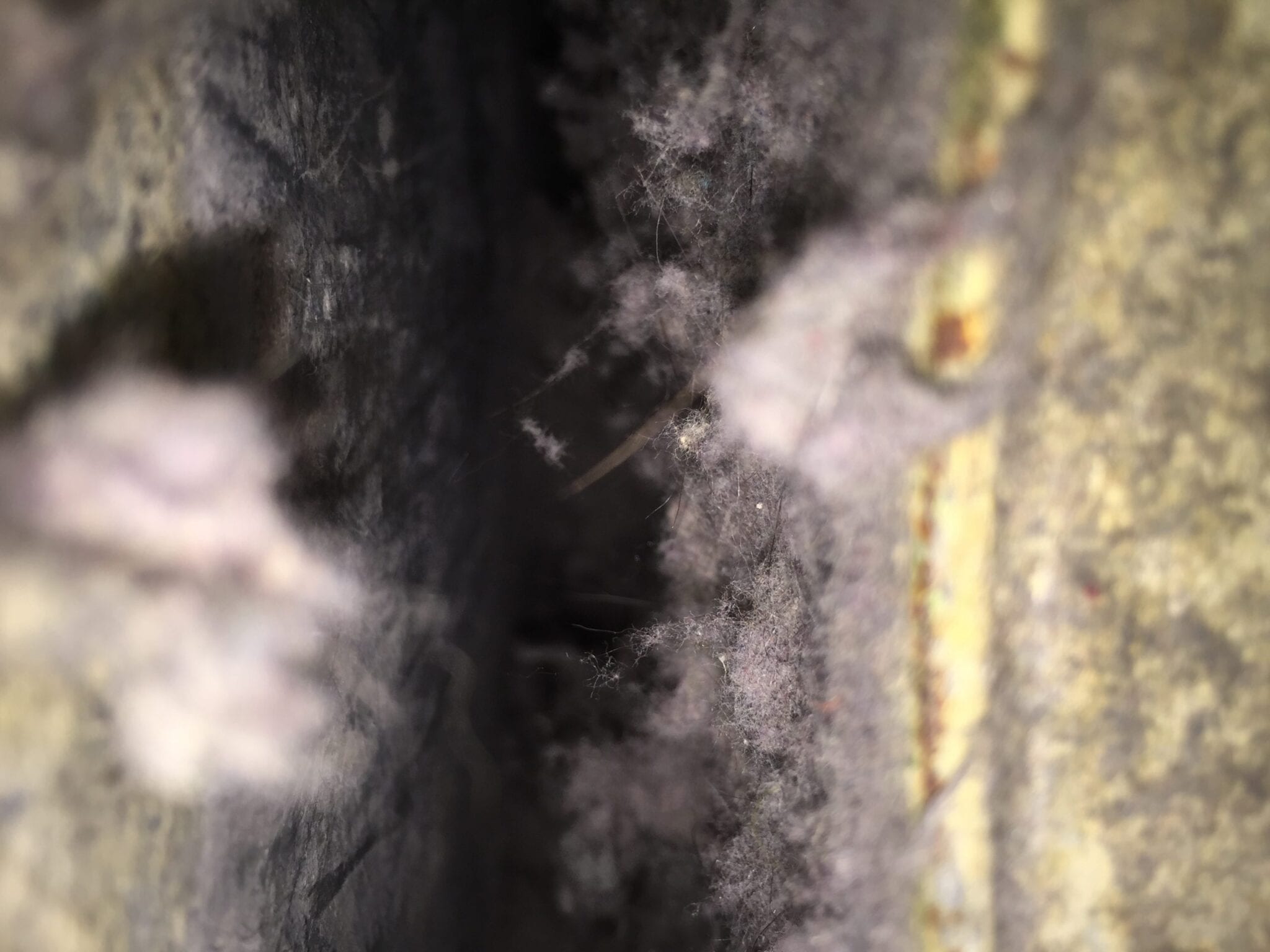 their construction and designs. Dryer vents are no exception. The image most people have of dryer vents are round three to four inches in diameter circular metal pipe with a flap on the end. While this is a common (if not the most common) design, especially for low-rise buildings, there are a number of different configurations that are employed.
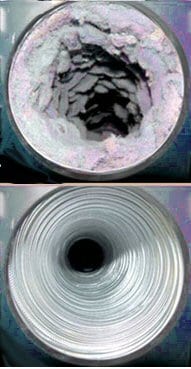 , if it is even an option, can run into the tens of thousands of dollars. The alternative is to build a new duct run with a drop down ceiling. While less costly than concrete reconstruction, it can be aesthetically ugly and diminish a unit’s value.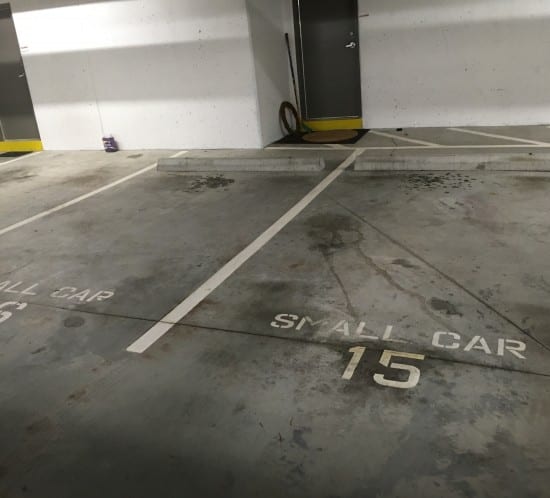
 in the summer months. The drier weather allow us to both power sweeping and pressure washing to get underground areas looking as best as we can. A difficult issue we commonly face are oil stains. While we always want leave a parkade looking as clean as the day it was built, oil stains are a nearly insurmountable challenge for our crews. The key problem is that concrete’s porous nature, which the oil molecules are able to penetrate the surface and get locked in.
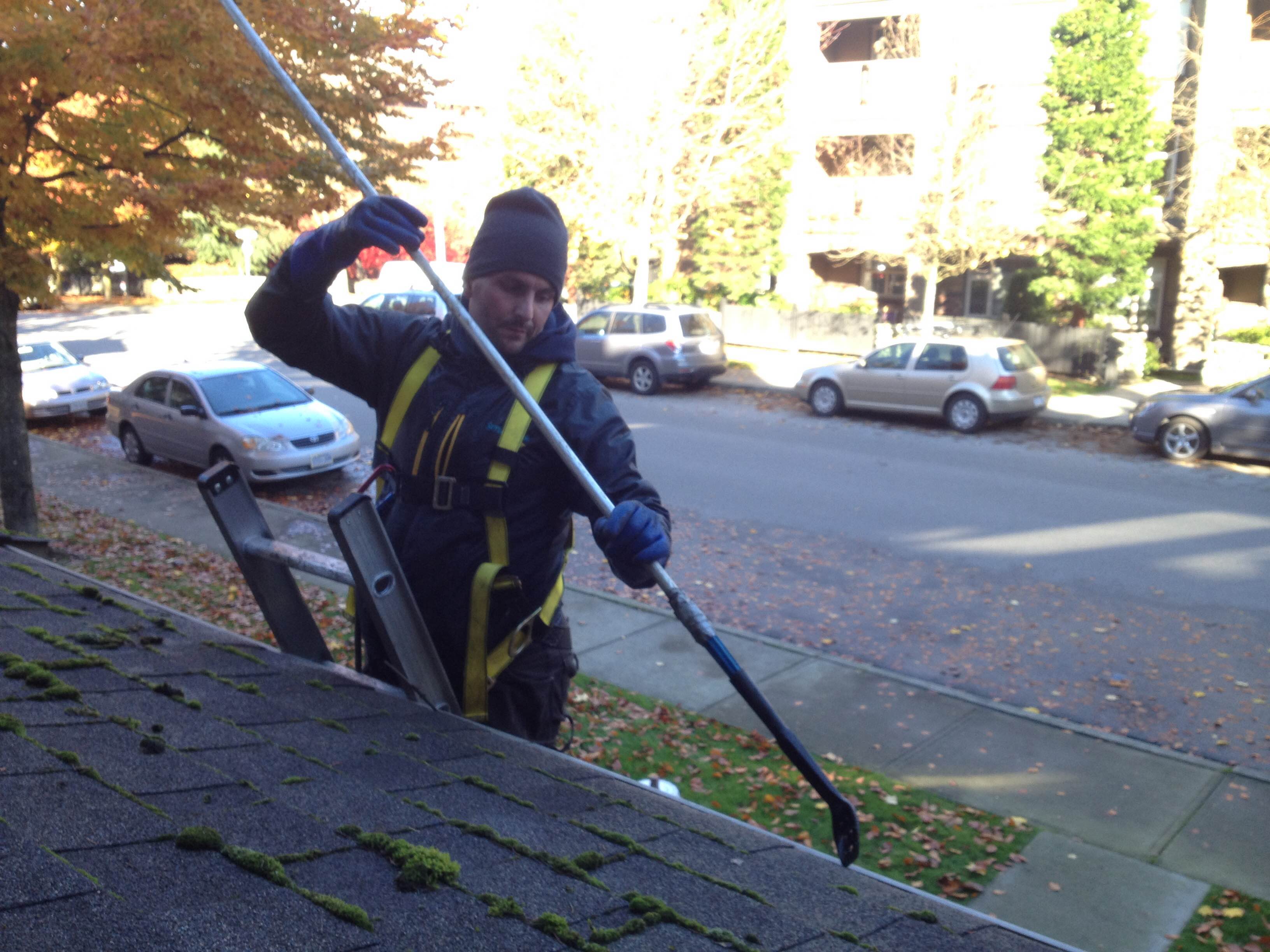
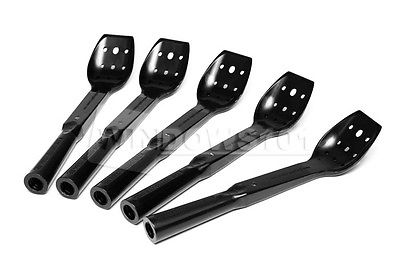 What do we use? Gutter Spoons. Now this might look like its one step away from a salad spoon from the kitchen drawer, but it really is the most effective solution. To use the spoon, you need to be above the gutter, so you have an unobstructed view of what is going on. Its much easier to ensure that the system is working. Second, it allows our technicians to quickly remove a large amount of material from a gutter, but with the added advantage of being able to reach deep into its corners and crevices. Finally, its light: we can use spoons while walking on the roof, or on top of a ladder. .